| Technology & Specification | Working Principle & Classification | Surface Roughness | Coefficient of Static Friction (COF) | Spin Rate (RPM) | Wear Retention Rate | Key Features, Pros & Cons |
|---|---|---|---|---|---|---|
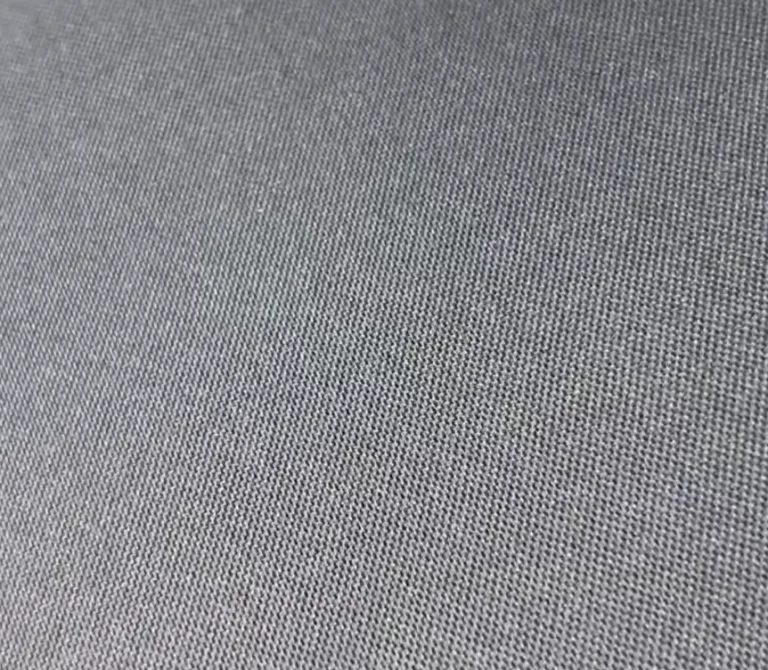
| 1. Peel Ply Texture Raw Carbon / Woven Carbon, T700/T800/3K/18K |
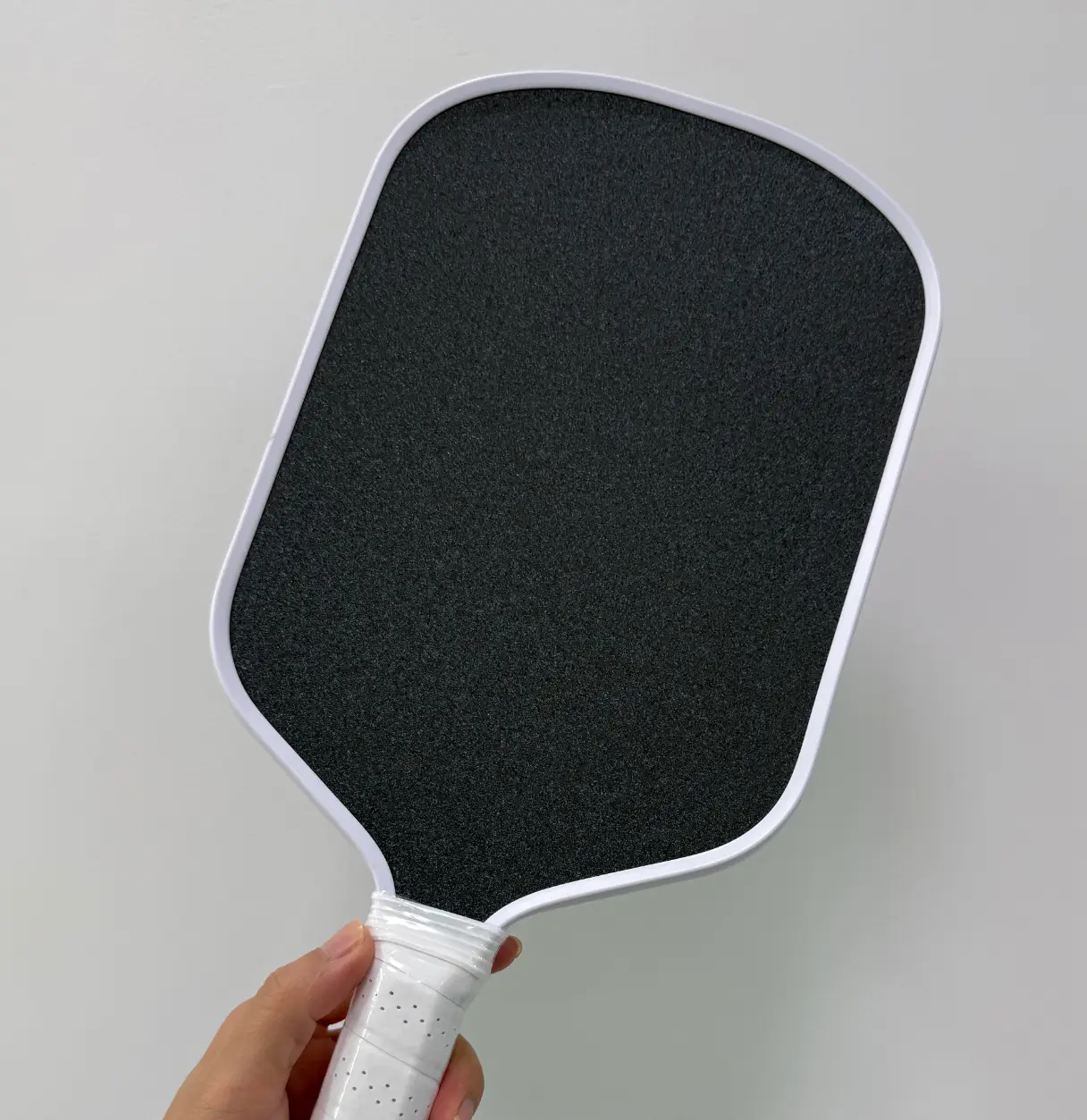
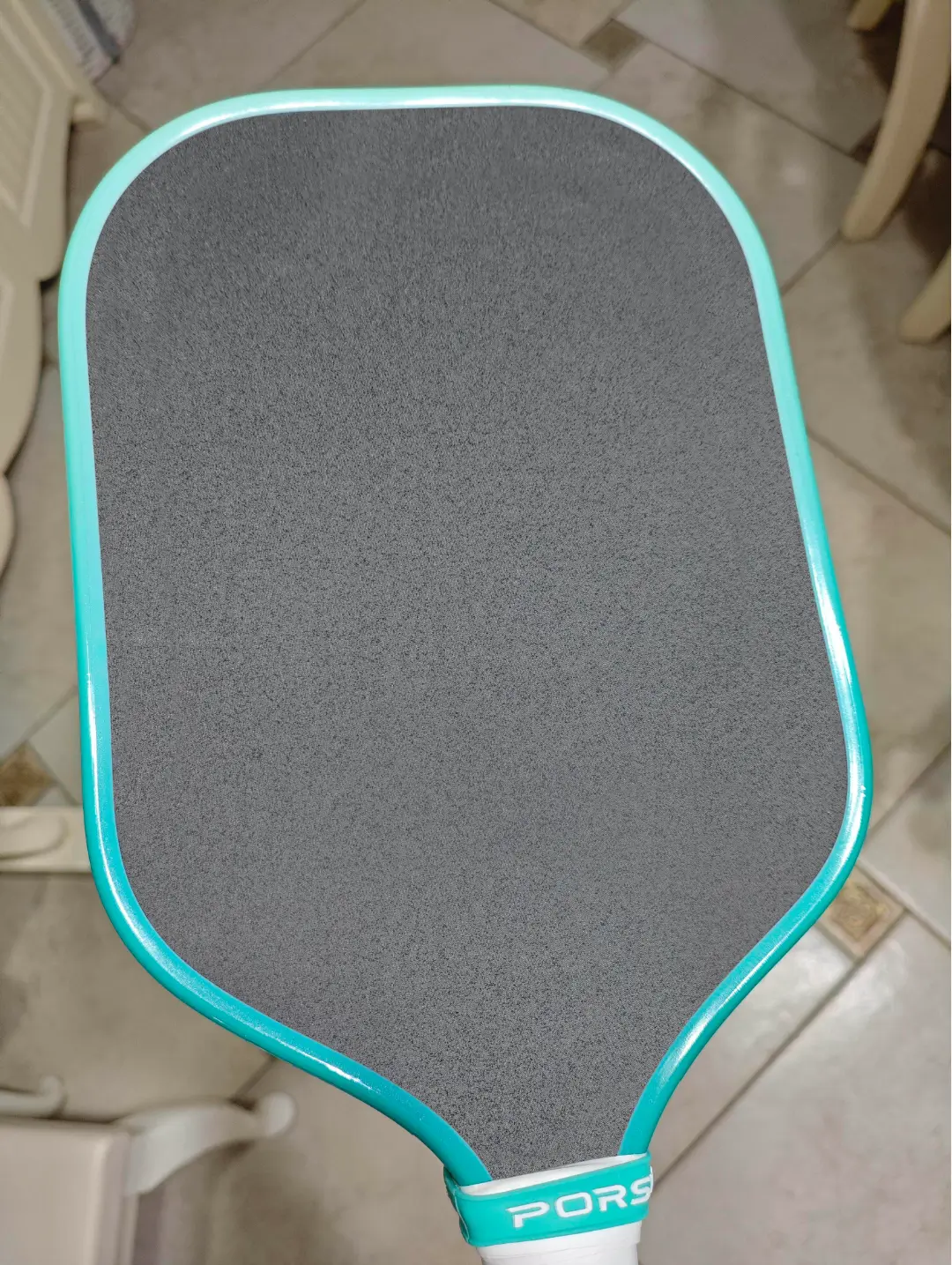
Nylon or polyester peel ply is applied to the carbon fiber laminate during the thermoforming process and removed after curing. The peel ply's surface texture is transferred to the resin surface, creating a textured finish on the carbon fiber paddle face. The texture is integrated during manufacturing rather than applied as a post-spray coating. |
Ra 1.8–3.2 μm
Rz 8–15 μm | 0.12–0.16 | 1800–2100 RPM | 70%–80% (50h) |
Delivers a smooth feel, consistent quality, and no grit shedding. T700 hot-pressed integrated raw carbon is currently the most versatile solution for export tournament paddles. Limitation: The friction ceiling is lower than that of spray grit and cured grit. |
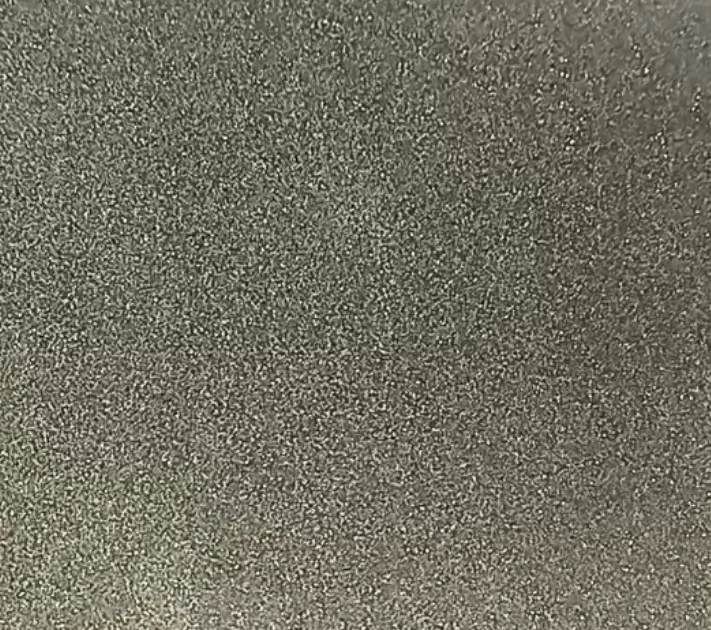
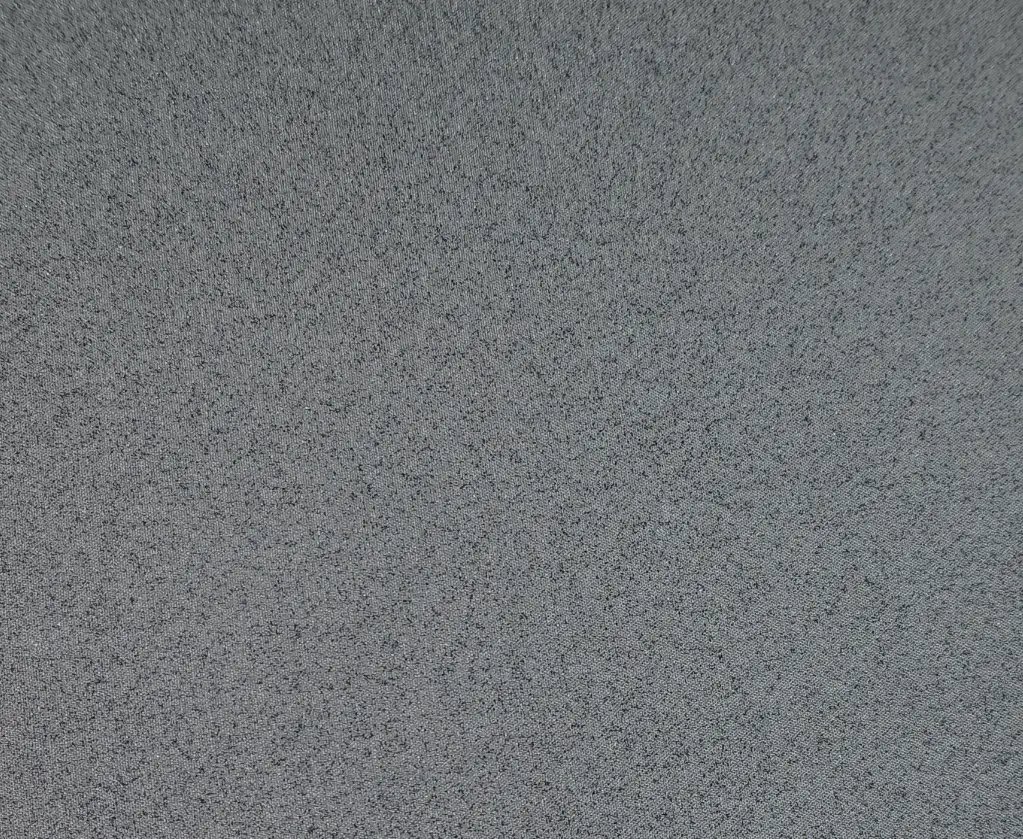
| 2. Silicon Carbide (Grit) Curing Process |
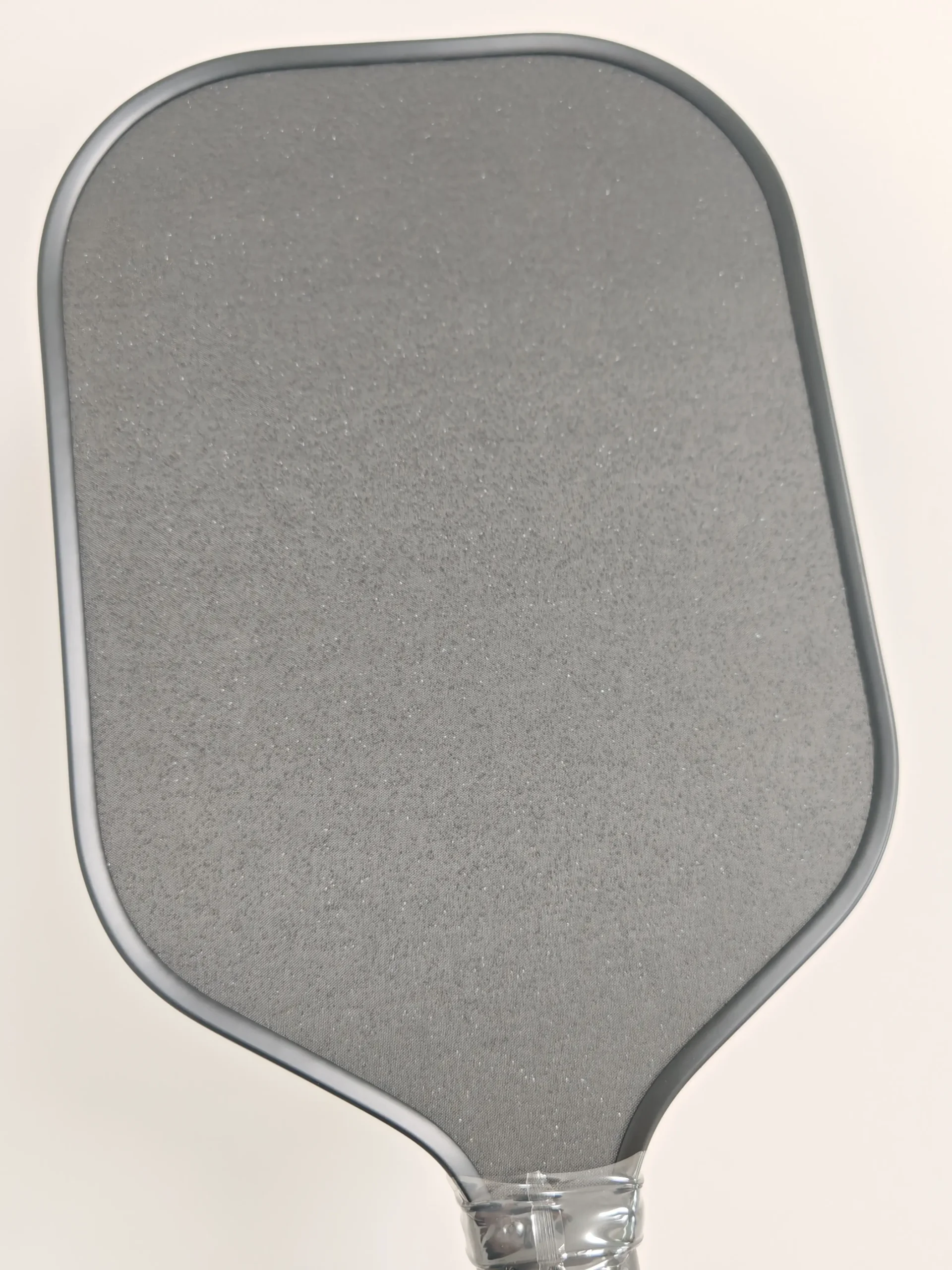
Silicon carbide or silica particles are mixed into the prepreg
resin system and embedded directly into the surface resin
during hot-press curing, rather than applied as a post-spray coating.
Classifications:
|
Ra 2.0–4.6 μm
Rz 11–22 μm | 0.14–0.19 | 1900–2300 RPM Strongest spin on new paddles | 85%–90% (60h, tested by Apexonsport, durability benchmark) |
Highest cost; texture barely degrades over time. Frequently used by top brands like Selkirk and RPM for high-durability grit. Testing note: Apexonsport utilizes dual high-speed cameras for RPM testing and can produce grit paddles calibrated below 2100 RPM to pass USAP certification. |
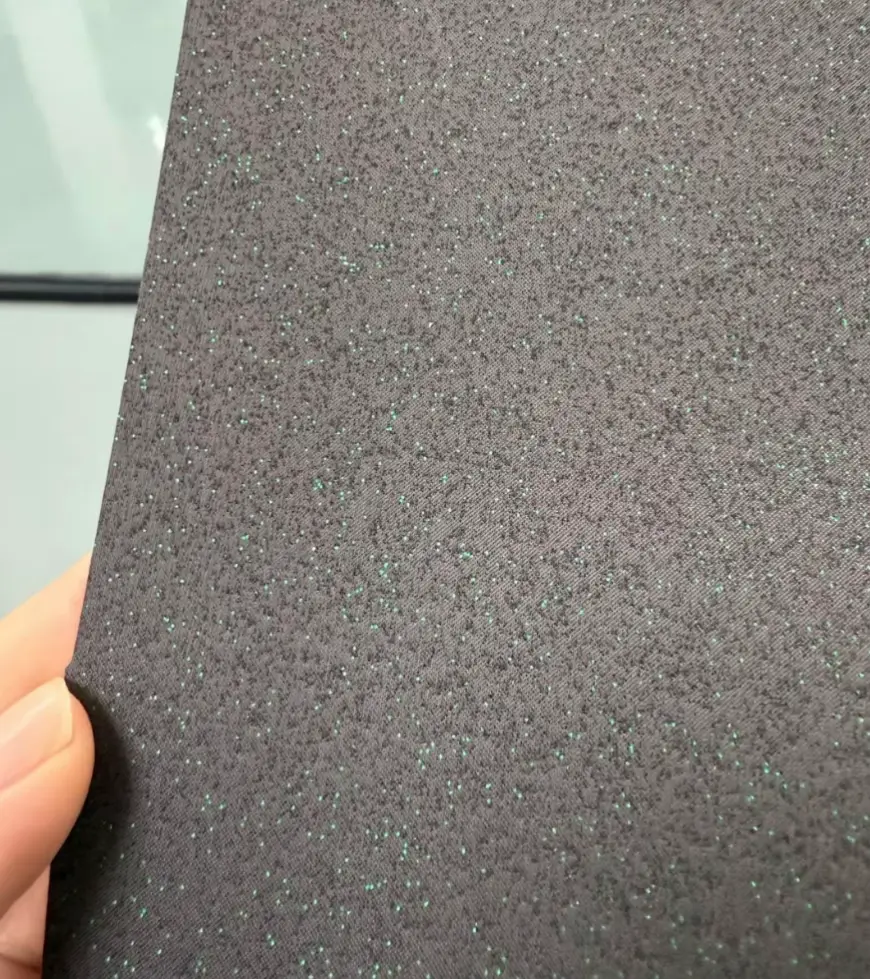
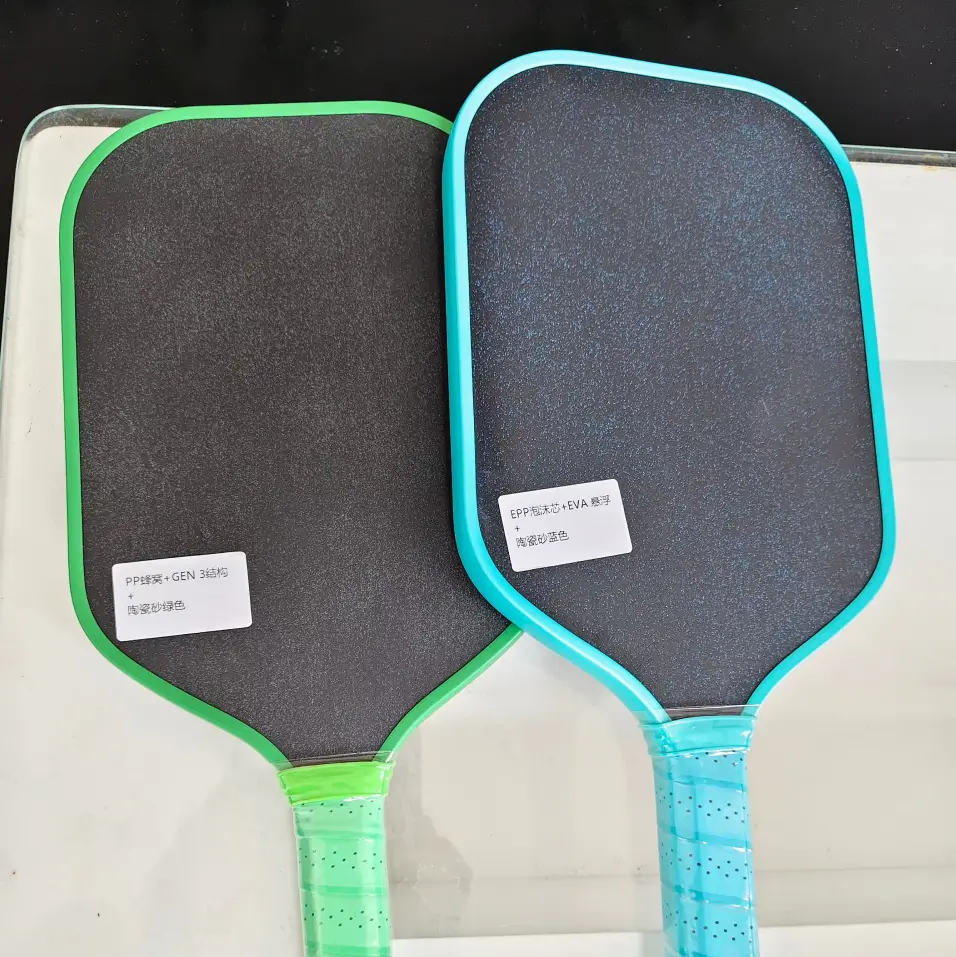
| 3. Spray Grit Coating Epoxy + Silicon Carbide / Quartz Sand | A clear topcoat mixed with hard particles is sprayed onto the molded paddle surface, leaving particles suspended on the outer layer, commonly called a "High-Grit Surface." |
Ra 3.0–8.0 μm
Rz 16–26 μm Particle mesh adjusted to 80–220 grit | 0.14–0.19 Highest COF ceiling across all categories | 1950–2200 RPM |
Traditional: 40%–55% (50h, particles easily
peel off during ball impact). Apexonsport enhanced process: 50%–75%. |
Provides aggressive ball bite but becomes noticeably slippery
after a period of play. Ideal for entry-level and recreational paddles; not suitable for tournament paddles with long-term warranties. |