Introduction
Choosing the best pickleball paddle manufacturer isn’t about finding the cheapest quote — it’s about finding a factory that can deliver consistent quality, certified materials, and on-time bulk production across 5 consecutive containers.
Understanding what separates the best pickleball paddle manufacturer from the rest starts with a basic definition: a pickleball paddle manufacturer is the factory that physically produces the paddle — controlling raw materials, molds, thermoforming, and quality control — while a pickleball brand designs and markets the finished product, typically sourcing production from a manufacturer. Most well-known pickleball brands sold on Amazon don’t run their own factories; they rely on OEM or ODM partners in China, Vietnam, or the US.
If you’re sourcing paddles for your brand, retail chain, or distribution business, the question isn’t “which pickleball paddle manufacturer has the cheapest quote” — it’s “which one can deliver consistent quality, certified materials, and on-time bulk production across 5 consecutive containers.”
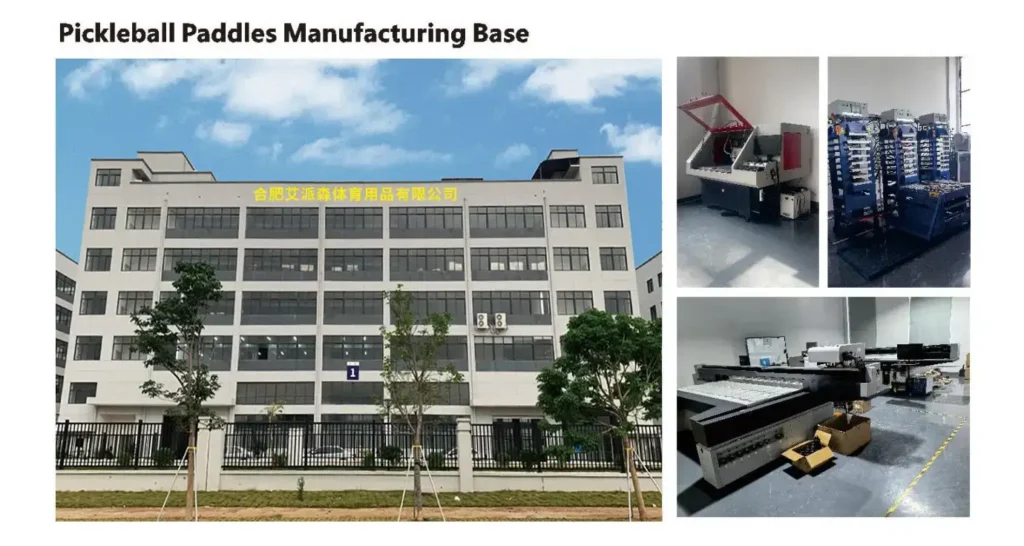
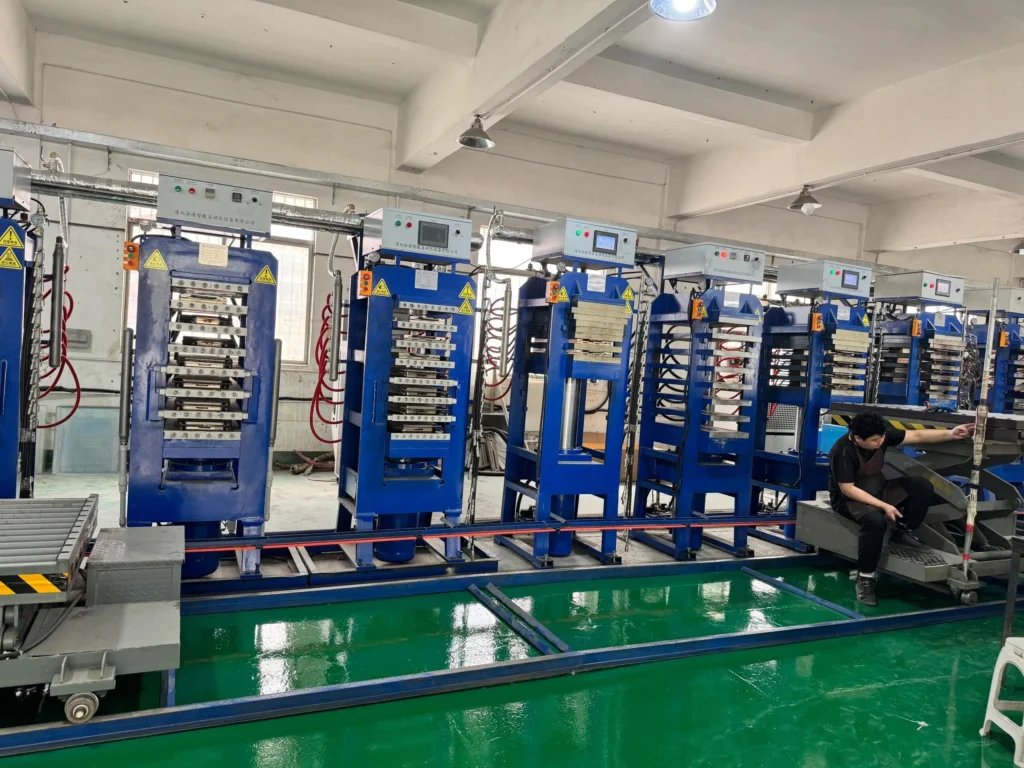
I’m Leo, co-founder of Apexon Sport. We’re an integrated trade-and-manufacturing pickleball paddle source in China, operating our own production line with a 5-ton hot press (delivering 0.5-ton compression force on each paddle), 30+ proprietary molds covering nearly every popular paddle shape on the market, and a daily output of 1,000+ paddles (20,000+ monthly).
This guide isn’t a sales pitch. It’s what I wish every brand manager, retail buyer, distributor, and Amazon seller knew before their first PO with any pickleball paddle manufacturer — written from inside the factory floor.
Part 1 — What a Real Pickleball Paddle Source Factory Looks Like
5 Hard Signals of a Genuine Pickleball Paddle Manufacturer
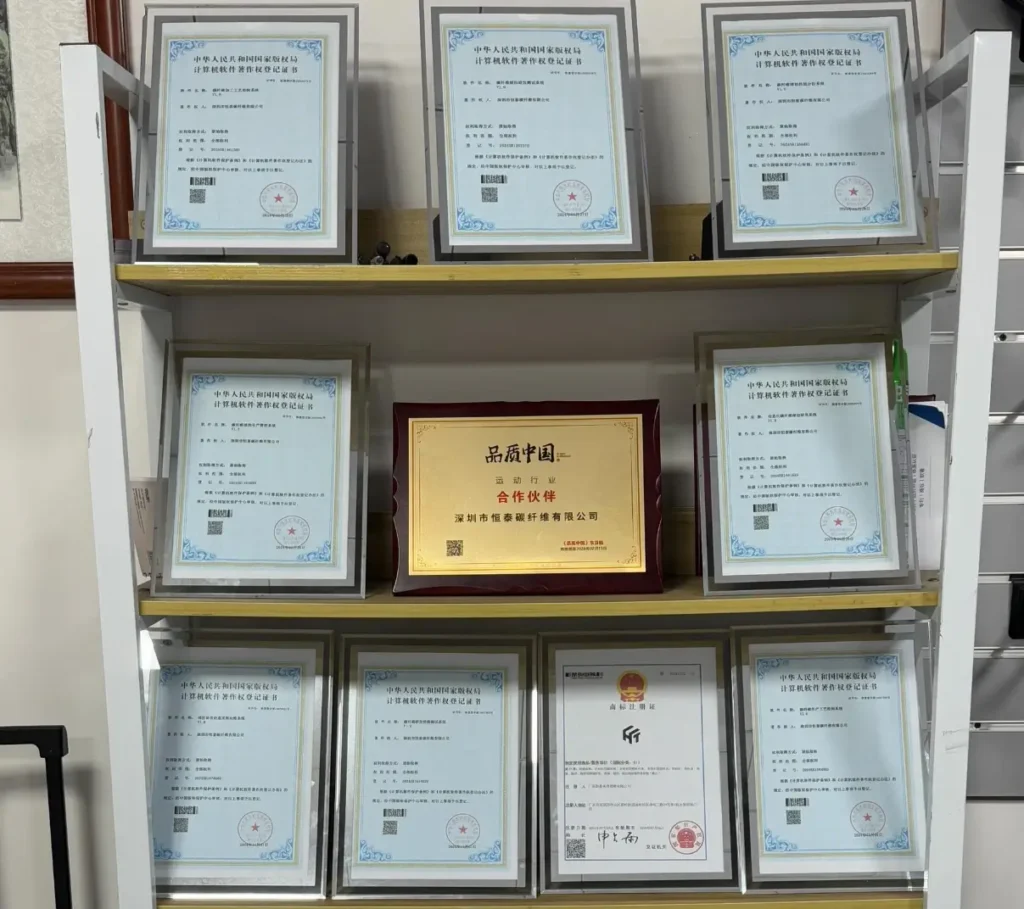
When you search “pickleball paddle manufacturer” online, you’ll see hundreds of listings. Most won’t be the actual production source. Here are the 5 checks that separate the best pickleball paddle manufacturer from a middleman with a polished website:
- Manufacturing-type business license (not a trading-only license)
- Self-owned molds — ask how many, which shapes
- In-house QC team (not outsourced inspection)
- Export invoice issued under the factory’s own name
- Live video factory tour available anytime — not pre-recorded clips, real-time walkthrough on WhatsApp
At Apexon Sport we maintain 30+ proprietary molds covering nearly every popular paddle shape — elongated, standard, widebody, teardrop. When a brand approaches us with a design brief, we rarely need to build a new mold from scratch. That alone saves most clients 4-6 weeks of lead time when working with a custom pickleball paddle manufacturer.
The Two Core Manufacturing Processes Every Buyer Must Understand
Pickleball paddles are produced through two distinct processes, each suited for different price tiers and performance levels:
| Process | How It Works | Characteristics | Best For |
| Cold-press | Face + core bonded under room-temperature pressure with adhesive | Entry-level, lowest cost | Beginner paddles, budget lines |
| Thermoforming | One-piece curing under high heat and hydraulic pressure | Industry standard 2024-2026 | Mid-to-premium performance lines |
The strength of thermoforming isn’t just about carbon fiber. Under hot-press conditions, several high-performance materials can be fused with the honeycomb core into a single structural unit — carbon fiber, titanium wire, Kevlar, and aramid fibers all thermoform successfully. This is why premium thermoformed paddles offer far more material diversity than “carbon only” marketing suggests.
What a real thermoformed paddle actually requires — this is where most buyers don’t know what to check:
- T700 carbon fiber minimum — anything below T700 compromises face strength
- At least 3 layers of carbon fiber wrapping around the core — not just a top and bottom layer
- 180°C thermoforming at 35 minutes cure time — under our 5-ton press delivering 0.5-ton direct compression
- 10+ post-processing steps — including putty filling, sanding, cooling, edge finishing, final QC
A true thermoformed paddle is not something that comes off the press ready. The 10+ finishing steps after the press are what separate a quality paddle from a delamination disaster 3 months later.
The Material Stack — What’s Actually Inside a Pickleball Paddle
The face and core are where corner-cutting happens most often. Here’s what matters when evaluating the best pickleball paddle manufacturer for you:
Face Materials — Carbon Fiber Grades:
- T300 — entry level, sufficient for beginner paddles
- T700 — mainstream premium, current market standard
- T800 / T1000 — flagship tier, higher tensile strength, higher cost
At Apexon we stock all four grades — T300, T700, T800, and T1000 — sourcing from both Japanese Toray fiber (premium tiers) and quality domestic Chinese carbon (cost-optimized tiers). The grade should match your retail price point, not blindly chase “the highest number.”
Beyond Carbon — Other Thermoformable Face Materials:
- Titanium wire — enhances face impact resistance
- Kevlar / Aramid — improves tear strength, common in performance lines
Multi-Density Core Systems — The Detail Most Brands Never Ask About
This is the chapter most competitor articles skip entirely. The core material determines how the paddle feels — power, touch, dwell time — and directly impacts paddle lifespan under heavy play.
At Apexon Sport, we build paddles with three different core systems, each engineered for a specific playing style and price point:
| Core Type | Material | Feel Profile | Best For |
| PP Honeycomb Core | Polypropylene honeycomb cells | Balanced power + control, classic feel | Most market segments, mainstream paddles |
| EPP TruFoam Core | Expanded polypropylene foam | Plush touch, soft dwell, muted sound | Control players, premium control paddles |
| MPP Foam Core | Modified polypropylene foam | Enhanced pop, spring-like energy return | Power players, aggressive play styles |
PP Honeycomb — Cell Density Matters:
For our PP honeycomb cores, cell size is critical. Smaller cells = more support per square inch = less core collapse under heavy play.
- 8-8.5mm cells — market standard, lower cost
- 6mm cells — what we use at Apexon — higher density, better support, resists the “core crushing” that kills paddles after 3 months of tournament-level play
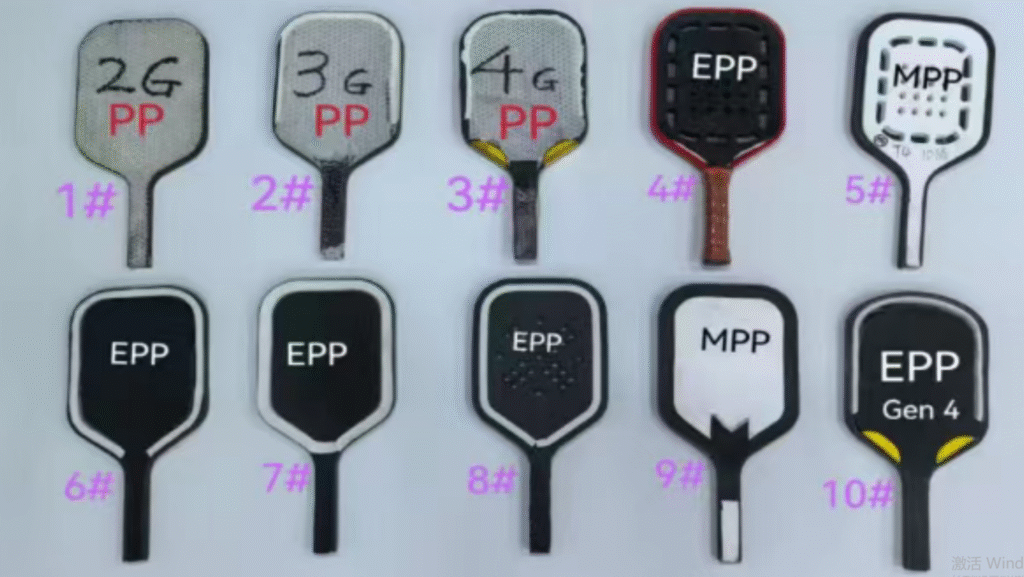
Most pickleball paddle manufacturers offer only one core type — usually PP honeycomb — and tell clients “that’s what everyone uses.” That’s a sourcing limitation, not a product recommendation. A serious brand should match core material to target player segment, not to whatever the factory happens to stock.
Part 2 — Factory Data That Actually Matters
The 4 Metrics to Benchmark Every Pickleball Paddle Manufacturer On
Forget marketing claims. Only these four numbers matter when evaluating a custom pickleball paddle manufacturer:
| Metric | Industry Average | Top-Tier | Apexon Sport |
| Defect rate | 3-5% | < 2% | < 2% |
| Bulk production lead time | 30-50 days | ≤ 25 days | 10-20 days |
| Monthly capacity | 10,000+ | Depends on scale | 20,000+ units (based on 1,000/day) |
| MOQ | 100+ units | Lower = better for new brands | 60 units (white-label) / 100 units (custom, up to 2 paddle shapes) |
Apexon Timeline Summary:
- Sample lead time: 3-6 days
- Bulk production: 10-20 days
- Shipping options:
- Fast-vessel ocean freight: 20-25 days
- Standard ocean freight: 25-35 days
- Air freight (small/urgent shipments): 3-7 days
- Full timeline from PO to overseas warehouse: typically 5-7 weeks by ocean
Choosing the Right Type of Chinese Pickleball Paddle Manufacturer
Not all Chinese pickleball paddle manufacturers are built for the same buyer. Here’s how the market actually segments — and which type fits which kind of brand:
| Manufacturer Type | Typical MOQ | Customization Depth | Best For | Common Pitfall |
| Large-scale OEM factory | 200+ units | Limited (existing molds only) | Established brands with stable SKUs | Slow on small orders, low priority for new brands |
| Mid-tier integrated source (like Apexon Sport) | 50-100 units | Full OEM/ODM/Private Label | Growing brands, distributors, Amazon sellers | Verify they’re not a trader in disguise |
| Small workshop | 50-200 units | High flexibility | One-off projects, prototypes | Inconsistent QC, no certification capability |
| Trading company | Any | Whatever you ask for | Quick small orders | No production control, hidden margin, quality drift |
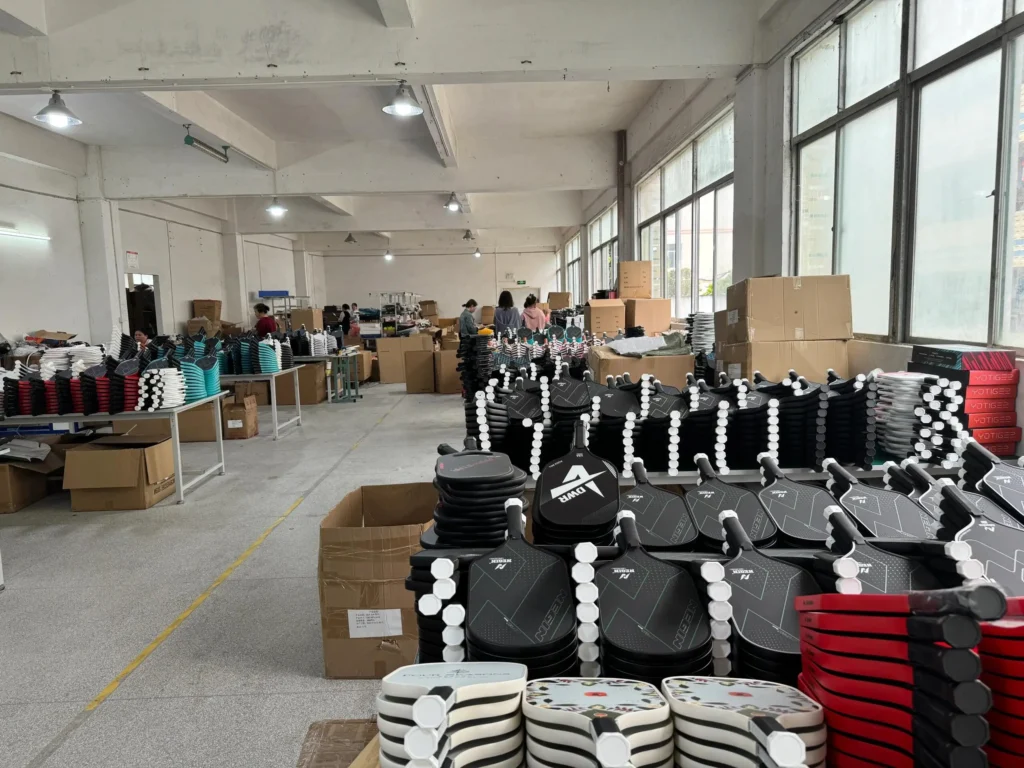
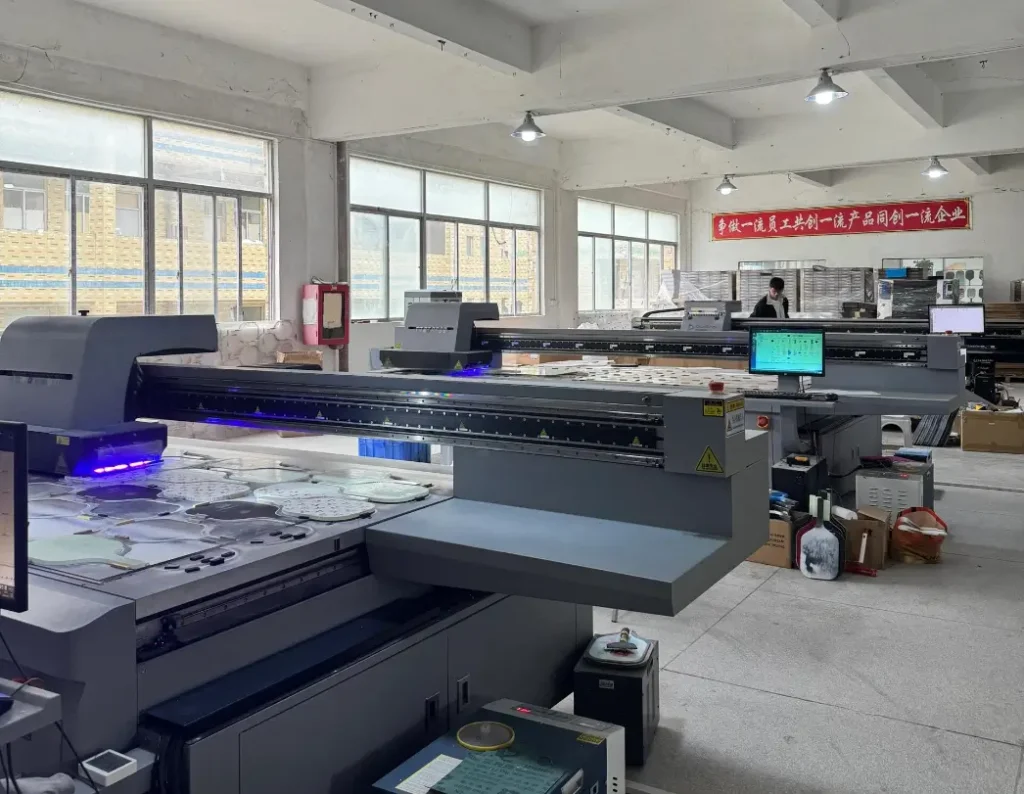
Where Apexon Sport fits: We’re the mid-tier integrated source — low MOQ for entry, but with the QC infrastructure, USAPA certification capability, and material control of a large-scale factory. This combination is rare and is specifically why brands at the $100K-$2M annual revenue range work with us.
Sourcing Geography — China vs Vietnam vs India vs USA vs Japan vs Australia
Where you source changes everything: production maturity, lead time, material availability, certification know-how. Here’s the honest breakdown:
| Dimension | 🇨🇳 China | 🇻🇳 Vietnam | 🇮🇳 India | 🇺🇸 USA | 🇯🇵 Japan | 🇦🇺 Australia |
| Bulk lead time | 10-20 days | 20-30 days | 25-35 days | 7-15 days | 15-25 days | 20-30 days |
| Material supply chain | Mature | Developing | Limited | Import-reliant | Premium-focused | Import-reliant |
| USAPA certification know-how | Mature | Developing | Limited | Domestic | Limited | Limited |
| Customization flexibility | High | Medium | Limited | Medium | Limited | Limited |
| Best for | Scale + variety + customization | Diversification hedge | Entry pricing | “Made in USA” branding | Premium niche | Local market only |
My honest take: for 85% of brands, retailers, and distributors globally, China remains the home of the best pickleball paddle manufacturer options — material supply chain, mold library, and know-how are 5+ years ahead of Vietnam and India.
Vietnam works as a diversification hedge above certain volumes. USA, Japan, and Australia manufacturing make sense only for brands whose positioning explicitly requires “Made in [country]” — at significantly higher unit cost.
Sample Policy & How to Request a Quote
Apexon Sport Sample Policy:
- Bulk orders of 200+ units → sample fee fully refunded, effectively making samples free
- Sample lead time: 3-6 days after design confirmation
For pricing, MOQ tiers, and material spec quotations — we provide tailored quotes based on your design brief, target market, and order volume. This isn’t generic pricing because pickleball paddle pricing genuinely depends on 12+ variables (carbon grade, core type, edge construction, packaging, certification, etc.). Reach out via WhatsApp for a tailored quote.
Part 3 — The Insider’s Red Flag Checklist
6 Red Flags That Expose a Fake Pickleball Paddle Factory
After years in this industry, this is my personal checklist for vetting any pickleball paddle manufacturer. Any single red flag should make you pause. Two or more, walk away:
- Refuses live video factory tour — only sends pre-recorded clips
- Factory photos are reverse-image-searchable on Google — stolen from real factories’ websites
- Sample quality dramatically higher than bulk — classic bait-and-switch
- Won’t sign an NDA or exclusivity clause
- Demands 100% payment upfront — industry standard is split payment (see Q7 below)
- Claims USAPA experience but can’t explain the process — ask them which parameters are hardest to pass and where samples get tested. If they can’t answer clearly, they’ve never actually done it.
3 Real Scams I’ve Seen (Anonymized)
These three patterns are what I’ve watched happen to real buyers — not rumors, actual cases:
Scam #1 — Carbon Fiber Downgrade: A US brand ordered T700 carbon fiber paddles. When the container arrived, paddles looked identical — but were actually T300. The brand discovered it only after customers complained about paddles breaking within 3 months. T300 vs T700 is invisible in photos — you either send samples to a lab or source from the best pickleball paddle manufacturer willing to show you the raw material invoice.
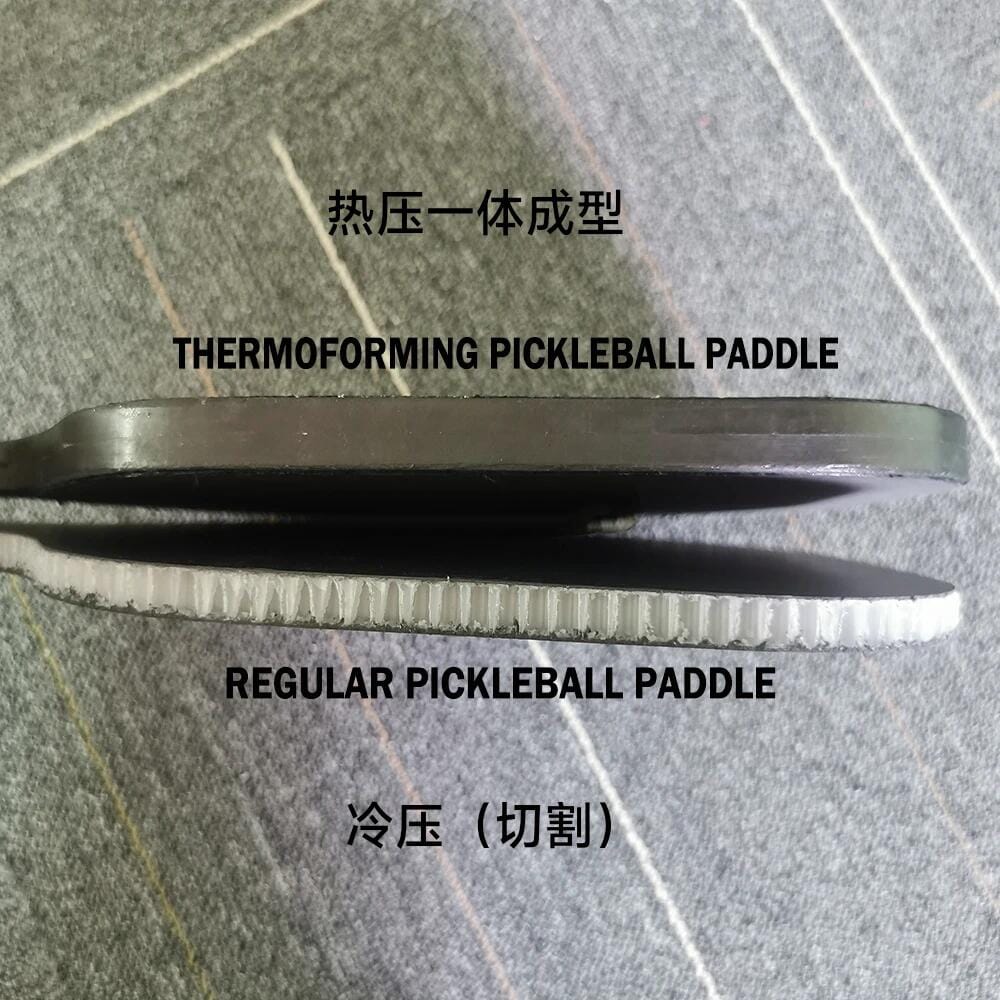
Scam #2 — Cold-Press Mislabeled as Thermoformed: A European distributor paid thermoformed prices and received cold-press paddles with a “thermoformed-style” edge glued on. Paddles delaminated within 4 months. How to spot it: genuine thermoformed paddles have no visible seam between face and edge — it’s a single cured structural unit.
Scam #3 — Unwrapped Core Disguised by Edge Guard: Some factories produce paddles where the edge of the core is not wrapped in carbon fiber at all — the raw polypropylene or foam core is left exposed on the sides, hidden only by the edge guard tape. When you peel back the edge guard, you see the bare core material. This is classic corner-cutting.
A genuine thermoformed pickleball paddle requires:
- T700 carbon fiber or above as the face material
- Minimum 3 layers of carbon fiber wrapping fully around the core (top, bottom, and edges)
- 180°C hot press at 35-minute cure time in a proper hydraulic press
- 10+ post-processing steps: putty filling, sanding, cooling, edge finishing, weight balancing, final QC inspection
If any of these steps are skipped, the paddle will delaminate under tournament-level play. All three scams share one trait: they’re invisible in photos. You need tested samples, not reviewed pictures.
OEM vs ODM vs Private Label — Most Brands Pick the Wrong One
| Service | What It Means | Cost | Time to Market | Best For |
| Private Label (RTS) | Stock paddle + your logo | Lowest | 2-3 weeks | Testing new markets, Amazon FBA sellers |
| OEM | Existing mold, your specs (color/grip/logo) | Mid | 2-3 weeks | Growing brands, retailers building a line |
| ODM | Custom design from scratch | Highest | 6-8 weeks (includes mold) | Established brands requiring differentiation |
Most new brands overshoot — they request ODM when OEM would have gotten them to market weeks faster at significantly lower upfront cost. A good custom pickleball paddle manufacturer will tell you which one you actually need, not just upsell you to ODM.
Most new brands overshoot — they request ODM when OEM would have gotten them to market weeks faster at significantly lower upfront cost. A good custom pickleball paddle manufacturer will tell you which one you actually need, not just upsell you to ODM.
The Sample Strategy Most Buyers Skip
A sample isn’t just a paddle you hold. It’s a contract in physical form — the “golden sample” your bulk order will be measured against.
2 tests to run on every sample before issuing a PO:
- Cross-section inspection — cut one paddle in half to verify face grade, core material, and bonding line. Also peel back the edge guard to confirm full carbon-fiber wrap around the edge.
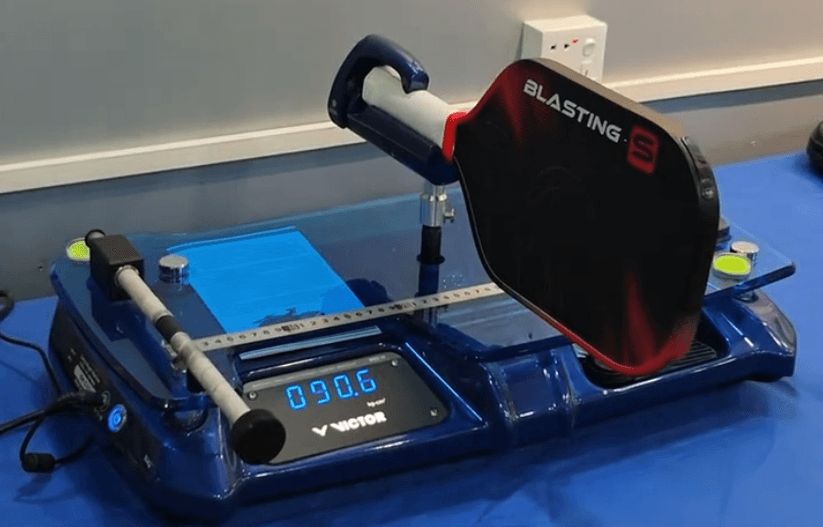
- Weight tolerance — weigh 3 samples. Variance beyond ±5g signals poor QC control
USAPA Certification — What a Real Manufacturing Partner Actually Does
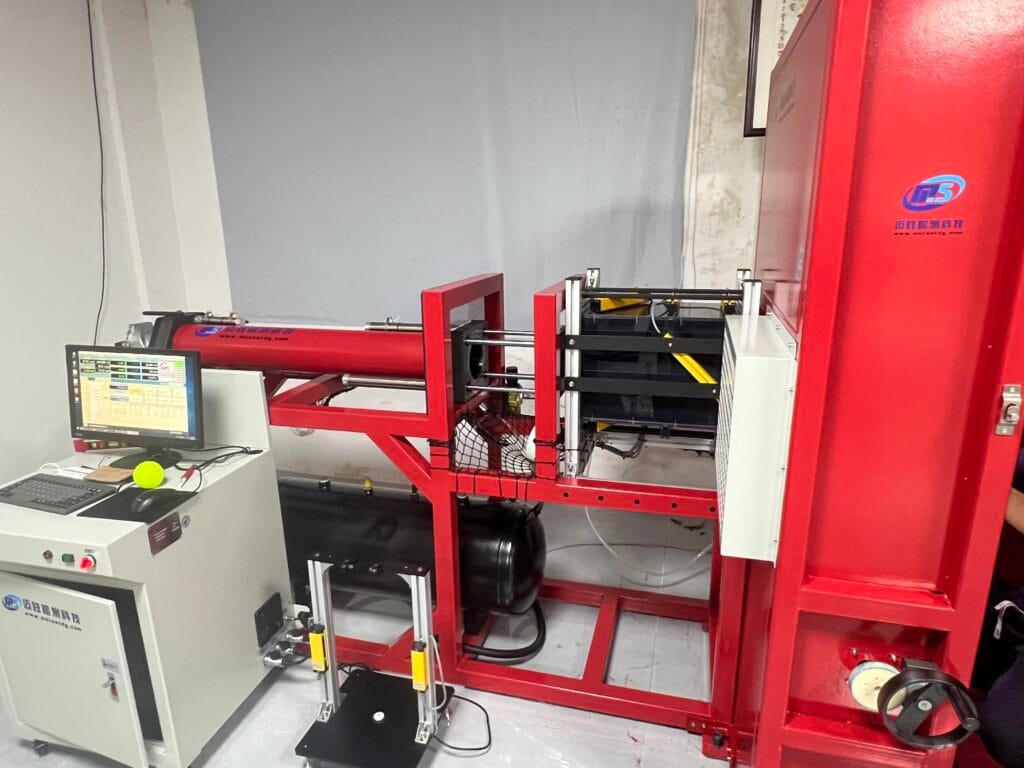
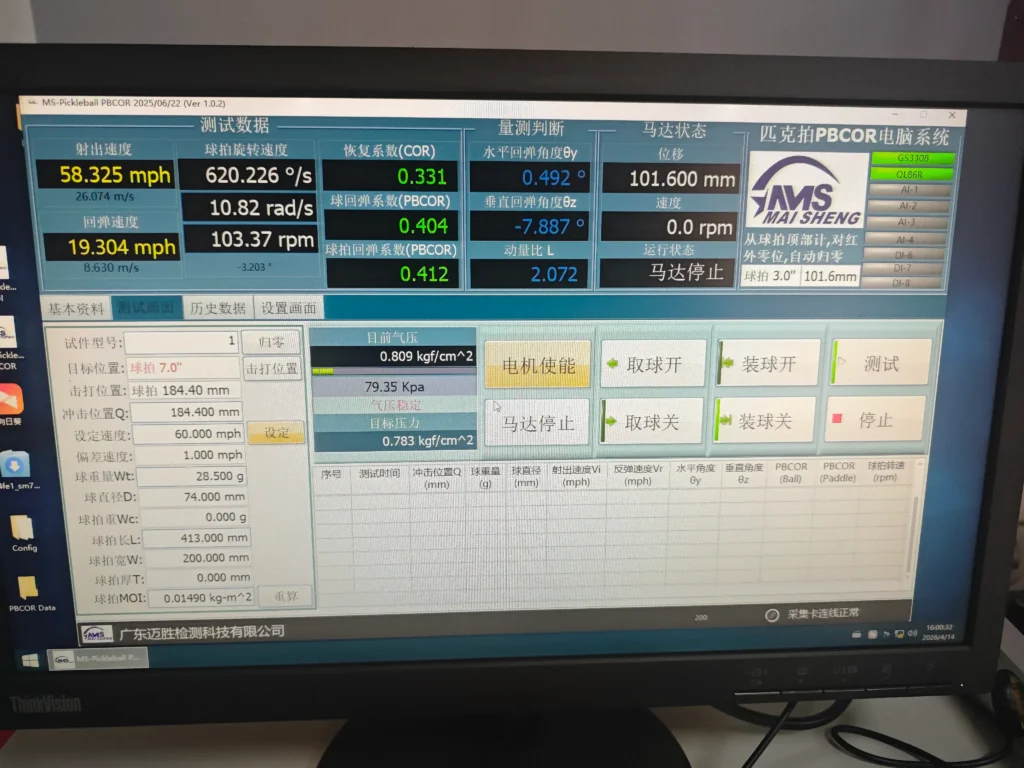
USAPA approval isn’t automatic. Each paddle model must be individually submitted and tested — and the batch ID is publicly verifiable on USA Pickleball’s equipment list.
We don’t just point clients to the USAPA website. We’ve guided 30+ brands through full certification, and we know exactly where paddles fail: surface friction coefficient and ball rebound are the two parameters that consistently trip up underprepared manufacturers.
Before any sample leaves our facility, we run internal pre-shipment testing calibrated against the full USAPA standard — adjusting carbon fiber surface treatment, core density, and construction variables until both parameters fall within the certified range. Once the paddle passes our internal benchmark, we coordinate shipping your samples directly to the USAPA Element laboratory for official testing.
Our molds are designed from the ground up to meet USAPA dimensional requirements, so clients starting an OEM or ODM project aren’t solving compliance from scratch.
If you’re building a brand for the US market, USAPA certification is non-negotiable. Contact us via WhatsApp — we’ll review your target spec and tell you upfront what needs adjustment before submission.
Part 4 — Frequently Asked Questions
Q1: What is a pickleball paddle manufacturer and how is it different from a brand?
A pickleball paddle manufacturer is the factory that physically produces the paddle — controlling materials, molds, thermoforming, and quality control — while a brand designs and markets finished paddles, typically sourcing production from manufacturers like Apexon Sport. Most well-known pickleball brands on Amazon don’t run their own factories; they rely on OEM or ODM partners.
Q2: What is the minimum order quantity (MOQ) for custom pickleball paddles?
At Apexon Sport, the MOQ is 50 units for stock white-label paddles (your logo on our existing models) and 100 units for custom pickleball paddles (which can include up to 2 different paddle shapes). These thresholds are significantly lower than most Chinese pickleball paddle manufacturers — making Apexon Sport one of the best pickleball paddle manufacturer choices for growing brands and Amazon sellers.
Q3: How long does bulk pickleball paddle production take from order to delivery?
Sample production takes 3-6 days after design confirmation, bulk production takes 10-20 days, and shipping varies by method: fast-vessel ocean freight 20-25 days, standard ocean freight 25-35 days, air freight 3-7 days for urgent or smaller shipments. Total timeline from PO to overseas warehouse is typically 5-7 weeks by ocean.
Q4: How do I get a price quote from a pickleball paddle manufacturer?
Pricing depends on 12+ variables — carbon fiber grade (T300 vs T700 vs T1000), core type (PP honeycomb / EPP TruFoam / MPP foam), edge construction, packaging, certification, and order volume. Reach out via WhatsApp with your target spec, MOQ, and destination market for a tailored quote.
Q5: Can a Chinese pickleball paddle manufacturer help with USAPA certification?
Yes. Apexon Sport currently has 13 models with verified USAPA certification and can submit new designs for testing on behalf of brand partners.
Q6: How do I verify a pickleball paddle factory is real and not a trading company?
Request a live video factory tour (real-time, not pre-recorded), ask for manufacturing license verification, and request a raw material invoice for your specific order batch. The best pickleball paddle manufacturer has nothing to hide — at Apexon Sport we run live factory walkthroughs on WhatsApp daily.
Q7: What payment terms do pickleball paddle manufacturers typically use?
Payment terms depend on order type. For Private Label (stock paddle + your logo): 30% T/T deposit on PO confirmation, 70% balance before shipment. For custom/OEM/ODM orders (which tie up our materials and mold time): 40%+ T/T deposit on PO confirmation, 60% balance before shipment. The higher deposit on custom orders covers material procurement and design-specific tooling.
Q8: What defect rate should I expect from a quality pickleball paddle manufacturer?
Industry average is 3-5%; top-tier manufacturers operate below 2%. At Apexon Sport our defect rate is below 2%, maintained through a three-stage QC process — raw material IQC, in-process IPQC during thermoforming, and pre-packing OQC.
For US-market brands, choosing the best pickleball paddle manufacturer means finding one with a proven USAPA track record — not one that just claims they can help.